
7 Proven Ways To Improve Balance for Salsa Dancing
Balance is not just for turns. It affects everything in salsa: timing, styling, connection, dips, and confidence.
If you feel unstable on the floor, this does not mean you are "not built" for dance. It usually means specific fundamentals need targeted training.
1) Clean up your timing first
Late or unclear timing causes rushed steps and emergency adjustments, both of which destroy balance.
Practice basic timing with songs at manageable tempo before chasing complex patterns.
2) Train solo footwork consistently
Solo work forces you to carry your own center without leaning on a partner.
Daily 10-minute footwork sessions do more for balance than occasional long practice marathons.
3) Improve posture and core engagement
Think:
- lifted chest,
- relaxed shoulders,
- active core,
- stable pelvis.
A supported upper body prevents chain-reaction wobble during transitions and turns.
4) Keep knees soft, not locked
Slightly bent knees improve shock absorption and center-of-gravity control. Locked legs make recovery much harder when movement changes suddenly.
5) Stay on the balls of your feet when appropriate
This keeps you responsive and improves weight-transfer precision, especially during spins and direction changes.
6) Do not use your partner as a balance crutch
Relying on the lead/follow for stability creates long-term bad habits and can throw both dancers off balance.
Your objective is independent stability first, then shared movement quality.
7) Add Pilates or yoga for stabilizer strength
Cross-training builds the small muscles that keep you upright during dynamic movement.
It also improves mobility and body awareness, which directly supports salsa technique.
Final takeaway
Balance improves through repetition, not luck. Combine timing drills, solo practice, and core/posture training, and your dancing will feel more stable within weeks.
When balance improves, confidence follows.
Bonus drills you can add this week
Single-leg stability drill
- Stand on one foot for 20-30 seconds.
- Keep core active and hips level.
- Repeat both sides.
This builds ankle and hip stabilizers that directly support salsa turns.
Slow pivot drill
- Mark basic timing slowly.
- Add controlled quarter pivots.
- Focus on clean stops without wobbling.
Great for improving axis control.
Spot-and-stop turn drill
- Do one clean turn.
- Freeze on count.
- Hold posture for one full count before moving again.
This trains finish control, not just rotational speed.
Common balance killers to watch for
- Looking down at your feet too often.
- Shoulders creeping upward under stress.
- Overstriding steps that throw center off.
- Rushing transitions between counts.
- Depending on partner grip for stability.
Correcting these often improves balance faster than learning new patterns.
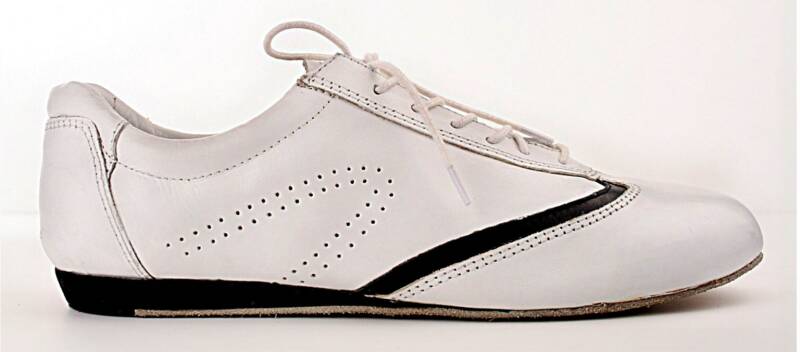
Footwear and floor impact
Shoes and floor friction change balance performance.
- Sticky shoes can block pivots.
- Overly slippery shoes can cause over-rotation.
- Poor support can fatigue ankles quickly.
Test your shoes in practice and adjust expectations by floor condition.
Progress timeline (realistic expectations)
With consistent training, many dancers notice:
- better basic-step stability in 2-3 weeks,
- cleaner turns in 4-6 weeks,
- stronger social confidence in 8+ weeks.
Do not chase instant perfection. Chase consistent improvements.
Final note
Balance is one of the most transferable salsa skills. Improve it once, and every part of your dancing benefits: spins, styling, partnerwork, and musical expression.