Inspiration for Future Salsa Spinners: What This Smooth Turning Clip Teaches
If you want better spins, watch dancers who make turning look effortless rather than frantic.
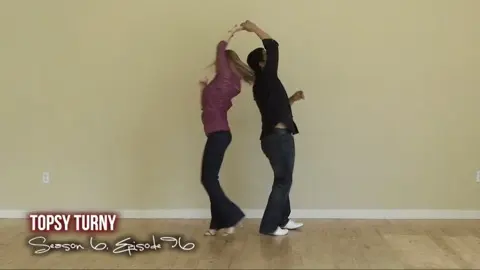
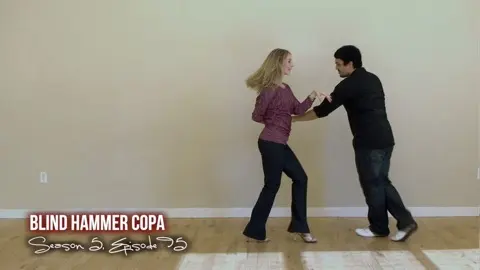
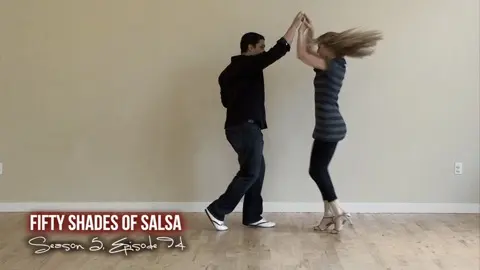
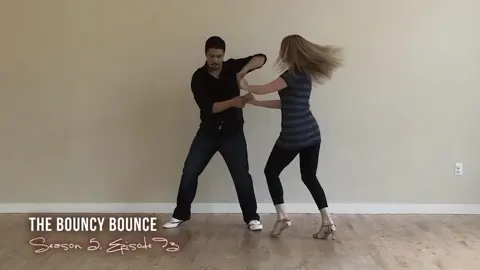
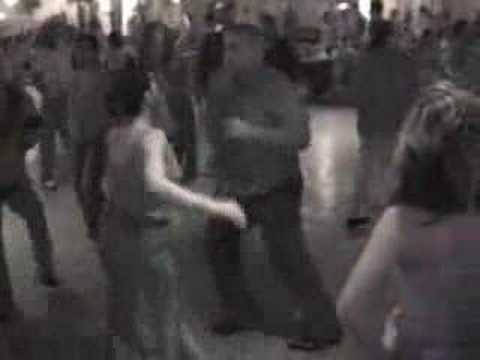
That is exactly why this clip is useful. The tempo allows you to see technical details clearly: spotting, axis control, and how rotation integrates with partnerwork instead of interrupting it.
What makes this footage good for spin training
Slow enough to observe mechanics
Fast songs can hide flaws. Here, the pace exposes them, which is great for learning.
Rotation with control
The turning sequences stay clean because balance is managed before, during, and after spins.
Partner quality stays intact
Even when spinning is featured, connection and timing remain clear.
A spin checklist you can apply today
- Keep head spotting consistent.
- Engage core before acceleration.
- Finish turns on time before styling exits.
- Avoid over-rotating just to impress.
- Reconnect to partner smoothly after each spin phrase.
Why this matters for both leads and follows
Spinning is often marketed as a "follower skill," but great social turning is collaborative.
Leads need clear prep and timing. Follows need axis control and efficient technique. When both sides do their job, the result feels smooth instead of forced.
Bonus reference
The original post also pointed to footage with strong leading and body movement from Milton Cobo at the San Francisco Salsa Congress 2007.
Final takeaway
For dancers chasing cleaner turns, this is the right kind of inspiration: technical, musical, and realistic for social application. Study it slowly, then practice one correction at a time.
That is how future great spinners are built.