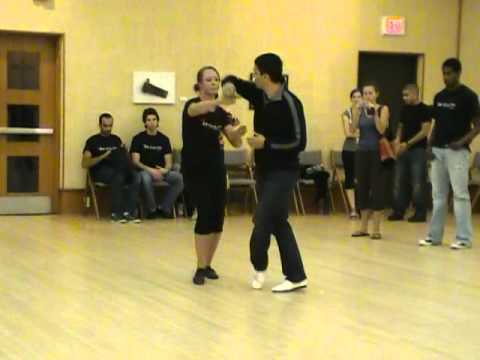

Learn how to do the Basic Steps of Salsa dancing
Most dancers search for advanced patterns too early. The dancers who improve fastest usually do the opposite: they build an excellent basic step first.
The salsa basic step is not just a beginner exercise. It is your recovery tool, your timing anchor, and your quality control when the dance gets fast or unpredictable. If your basic is stable, everything else gets easier.
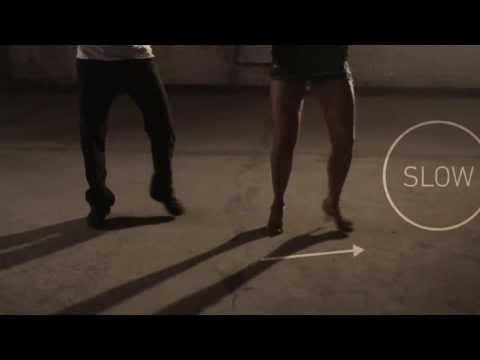
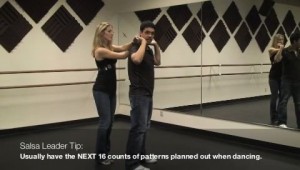
This episode is designed as a practice companion, with closer footwork visibility so you can train with intention instead of guessing.
What a strong basic should feel like
Your basic step should feel grounded, relaxed, and musical. You should be able to keep it for multiple songs without tension in your shoulders, without rushing counts, and without drifting off center.
If your upper body feels noisy or your feet feel heavy, slow down and simplify. Smooth basics are more useful than fast basics.
How to practice this effectively
- Start at comfortable tempo and count out loud.
- Keep steps small enough to stay balanced.
- Focus on weight transfer, not foot tapping.
- Practice both On1 and On2 with the same control.
Do short rounds: two minutes of focused basics, 30 seconds rest, then repeat. You will build cleaner movement faster than by doing one long unfocused session.
Why this matters in social dancing
When a lead or follow breaks down in the middle of a combo, the best dancers do not panic. They return to the basic, reconnect, and continue musically. That skill comes from repetition, not talent.
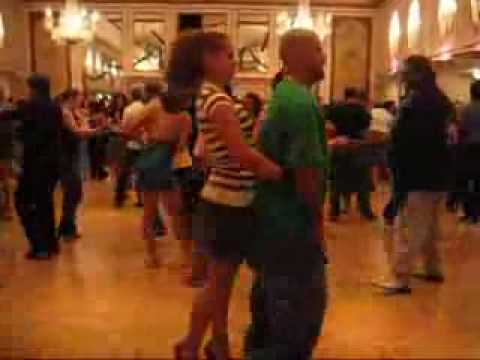
The same applies when dancing with different partners. A clean basic helps you adapt to varied styles, energy levels, and floor conditions.
Next step after the basic
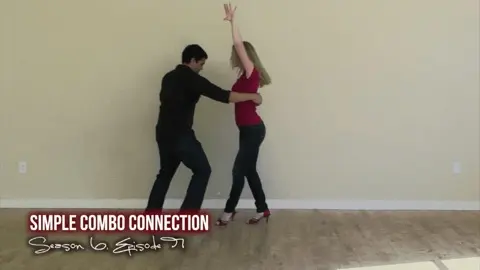
Once your basic feels consistent, add one simple right turn while preserving rhythm and posture. If the turn degrades your timing, go back to the basic and rebuild.
Progress in salsa is rarely linear. It is usually basic, turn, reset, refine, repeat. Stick with that loop and your dancing will improve noticeably.