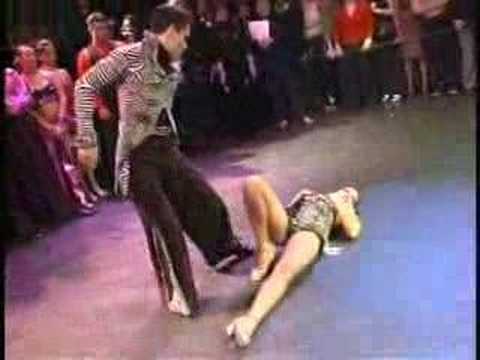
Salsa Body Movement Masters: What Makes Hacha y Machete So Precise
Some performances impress you because of speed. Others because of tricks. This one stands out because of control.
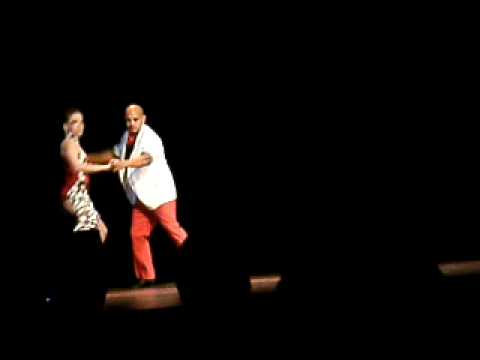
Victor and Burju from Hacha y Machete are often referenced in salsa conversations for exactly this reason: their body movement looks intentional from first count to last count. Nothing feels accidental.
Why "Silencio" still matters to salsa dancers
Even though the music in this piece leans beyond traditional salsa format, the movement principles are directly useful to salsa social dancing and team performance.
This is not about copying choreography. It is about understanding movement quality.
What to watch closely
1. Frame stability under motion
Watch how upper body lines stay coherent while feet and direction change. That level of frame management is what makes partnerwork look elegant instead of rushed.
2. Isolation without stiffness
Strong body movement is not random torso motion. It is segmented control: ribcage, shoulders, hips, and arms operating with clear intention while staying rhythmically connected.
3. Musical commitment
They do not simply "dance to tempo." They phrase movement to accents, holds, and energy shifts. That is what gives the performance narrative shape.
4. Transitions that never look patched
Many routines look great inside signature moments but weak between them. Here, transitions are almost as polished as highlights, which is a sign of mature design.
What social dancers can apply immediately
You do not need a stage to use these ideas.
Try this in your next practice:
- Pick one simple partner pattern you already know.
- Dance it at 70% speed while maintaining a calm frame.
- Add one controlled torso accent per 8 counts.
- Remove unnecessary arm movement.
- Repeat with a different song phrase.
This builds quality inside basics, which is where advanced dancing actually lives.
Common mistake this clip helps fix
A lot of dancers believe body movement means "more movement." Usually it means better movement.
Overstyling often creates noise. Controlled movement creates readability, comfort, and musical clarity.
If your partner can feel your timing better and your movement looks cleaner with fewer actions, you are improving.
Why this is useful for performance teams too
Teams often spend most rehearsal time on trick sections. But audiences and judges remember overall cleanliness.
A team with moderate complexity and excellent movement quality usually outperforms a team with difficult tricks but weak body control.
That is why studying performers like Victor and Burju is high-return training.
Final takeaway
If you want your salsa to look more professional, start with movement quality, not bigger pattern libraries.
Body movement mastery is not an add-on. It is the foundation that makes everything else read better.