What Is Pachanga Dance? History, Music, and Why Salsa Dancers Still Study It
Pachanga is one of those dance words salsa dancers hear often but do not always define clearly.
So what is it?
Pachanga in one sentence
Pachanga is both a Cuban music style and dance style that emerged in the late 1950s, with rhythmic bounce and playful footwork that later influenced salsa scenes.
Where pachanga came from
Historically, pachanga developed in Cuba during a period of intense dance innovation. It shared ancestry and social-space overlap with cha-cha-cha culture, but carried a different rhythmic feel and movement character.
Over time, pachanga traveled through Latin dance circuits and appeared in New York mambo/salsa communities in adapted forms.
How pachanga feels different
Compared with typical beginner salsa movement, pachanga often emphasizes:
- springy, buoyant action,
- syncopated playful footwork,
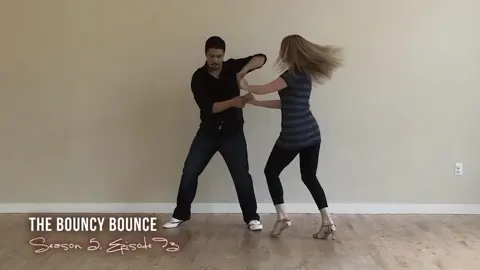
- strong groove quality rather than long-line elegance,
- a street-social flavor that feels less formal.
Why salsa dancers still care about pachanga
Even if you never dance a full pachanga social set, pachanga training improves:
- rhythm flexibility,
- foot articulation,
- body bounce control,
- confidence in shines and improvisation.
That is why many instructors still reference it when teaching musical expression.
Video references in this post
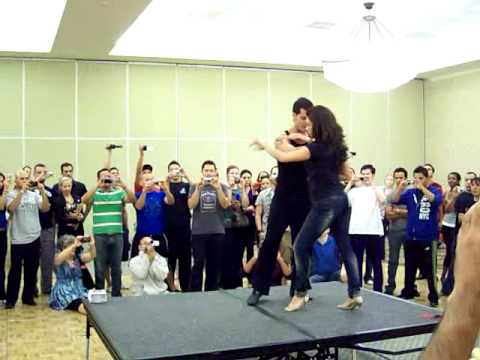
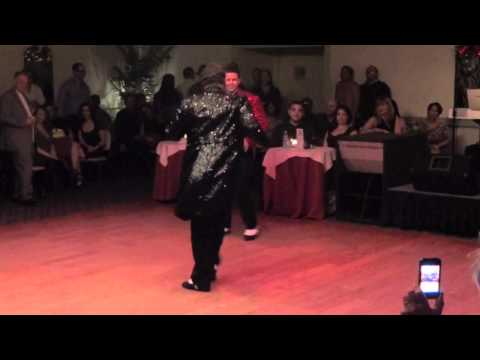
The original article referenced Eddie Torres explaining and dancing pachanga at a congress, plus examples connected to Cali/Colombia energy.
Final takeaway
Pachanga is not just a history footnote. It is part of the broader language behind modern salsa expression. If your dancing feels mechanically correct but missing sabor, studying pachanga can help unlock that missing layer.