How to Dance Salsa at a Live Concert: Finding the Beat, Floor Space, and Band Etiquette
Ask experienced dancers about their favorite night out and a surprising number won't name a club. They'll name a concert: the night a full orchestra played, the trumpets hit a mambo section, and the whole room seemed to move at once.
Live salsa is the music in its natural habitat. It is also a different dancing experience from the recorded songs you practice to at home or hear from a DJ. If your first concert felt overwhelming, that's normal. With a few adjustments it becomes the most fun you can have on a dance floor.
Why does live salsa feel so different?
Recorded songs are fixed. You can learn them, count them, and predict them. A live band is a conversation, and a few things change:
- Songs run longer. Bands often extend the montuno, the call-and-response section after the verses, especially when the crowd is into it. A three-and-a-half-minute recording can easily turn into seven or eight minutes on stage.
- Tempo moves. Live musicians push and pull the tempo slightly, and many bands gradually speed up as the energy builds. Expect the end of a song to feel faster than the start.
- Breaks and hits are real. When the band stops together or the horns punch a figure, it happens in the room, loud and physical. These are perfect moments to pause, hit a pose, or mark the accent with your partner.
- The mix is less polished. Depending on the venue, you may hear the percussion clearly and the bass barely at all, or the reverse. Sometimes you will need to search for your timing reference.
None of this is a problem once you know to expect it.
How do you find the one with a live band?
Start the same way you would with any song: listen before you dance. Give yourself eight to sixteen counts standing still while you lock in.
Some reliable anchors:
- The cowbell or bongo bell. During the louder sections, the bongo player often switches to a hand bell with a steady pattern. Its strong, low stroke tends to land on the downbeats and is one of the easiest guides in a noisy room.
- The bass. If you can hear it, the bass is your friend. Salsa bass lines often anticipate the beat, which gives the music that forward-leaning feel. Listen to where it repeats, then count from there.
- The clave. Even when no one is playing clave sticks, the band arranges around it. If you have practiced hearing clave, you'll feel the two-bar phrase, and that phrase makes it much easier to know where "one" lives.
- The vocal phrases. Coro lines usually start and end in predictable places within the phrase. Counting along with the coro is a good way to check that you are still on time.
If timing is the area you want to strengthen before your next concert, work through our video lesson on how to find the salsa beat and read learning to dance to live salsa music. Pocket Salsa's rhythm training is built for exactly this: hearing the beat inside a full arrangement.
On1, On2, and live bands
Does a band favor one timing over the other? Not really. Musicians play the music; dancers choose how to dance it. You will see On1 and On2 dancers sharing the same floor at almost every concert. Dance the timing you know best, and if you are curious how the two relate, our lesson on salsa dancing On1 vs. On2 timing breaks it down.
What does matter is consistency. In a loud room, it's easy to drift. Every so often, especially after a break, quietly re-check your count against the bell or the bass.
Floor space: dance smaller
Concert floors are rarely built for dancing. You may be sharing a few square meters with people who came to watch, not dance. A few habits make the night better for everyone:
- Shrink your patterns. Keep cross-body leads short and slots narrow. Save the big traveling moves for a club floor.
- Skip dips and aerials unless you have clear, open space. Concert crowds don't expect a partner's head to swing into their path.
- Pick your spot. The best dancing room is often toward the sides or the back, where people aren't packed against the stage barrier.
- Lead with awareness. Leaders, your job includes protecting your partner from collisions. Followers, a light touch on your partner's shoulder is a fair warning if someone is about to back into them.
Dancing smaller also makes you a better dancer. You'll find yourself relying on musicality, styling, and connection instead of turn patterns, which is exactly what live music rewards.
Etiquette around the stage
Live music adds a few etiquette points that a DJ night doesn't have:
- Don't block sightlines. If you're dancing near the front, be aware of people who came to watch the band.
- Clap for the soloists. When the timbalero, pianist, or trumpet player takes a solo, it's customary to show appreciation, even mid-dance.
- Respond to the band. When the singer calls out to the dancers or the band hits a big break, react. Musicians feed off the energy of the floor.
- Ask, don't grab. Concerts attract non-dancers and beginners. A friendly invitation works better than pulling a stranger into a turn pattern.
What to wear on your feet
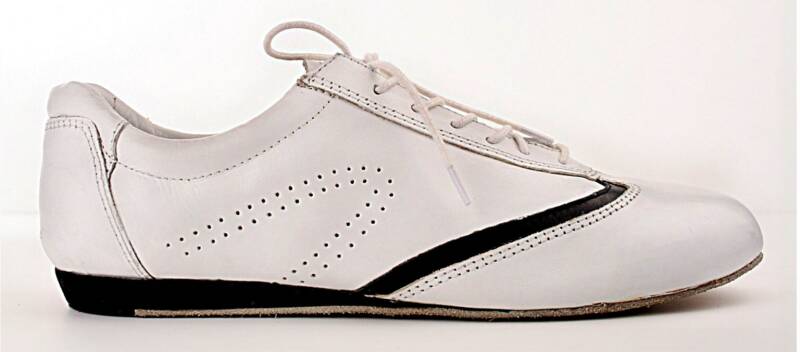
Concert venues are a mixed bag: outdoor stages on concrete, arenas, theaters, sticky bar floors. Suede-soled dance shoes can be ruined by outdoor surfaces and may not grip well on dirty floors. Many dancers bring a practice-style shoe or a dance sneaker for concerts and save their best suede shoes for studio and club floors.
If you're shopping, our guides on choosing salsa dance shoes for women and the best salsa dance shoes for men cover soles, heel height, and fit in detail.
Worth watching this season
If you want to put these tips to work soon, a few big salsa shows are on the calendar as of October 2026:
- Viva La Salsa Tour, Barranquilla (November 7, 2026). Rubén Blades headlines Estadio Romelio Martínez with the Roberto Delgado Big Band, joined by Óscar D'León, Víctor Manuelle, Charlie Aponte, and La India. Colombian outlet Canal Trece reports the date is part of Blades' farewell tour, which makes it a rare chance to hear him live.
- Niña Pastori, Color Fania, Valencia (December 6, 2026). The Spanish singer brings her new album, a reimagining of classics from the Fania Records catalog, to the Roig Arena Auditorium Hall, according to the venue's announcement. It is an interesting example of an artist from outside salsa approaching the Fania songbook.
And keep an ear on Bad Bunny. In an October 2025 Billboard interview, he said yes when asked whether he would make a full salsa album, calling it "supposed to be a surprise" (Remezcla summarized the interview). Nothing has been officially announced, but after his salsa-heavy halftime moment, plenty of dancers are hoping. We wrote about that performance in Bad Bunny's halftime show and Lady Gaga's salsa moment.
Dates and lineups can change, so confirm with the venue or promoter before you travel.
A quick pre-concert checklist
- Listen to some of the band's recordings in the days before the show so the songs feel familiar.
- Bring water, and plan for heat if the show is outdoors or packed.
- Pack a small bag with a spare pair of shoes, a towel, and a brush for suede.
- Expect long songs: pace yourself so you still have energy for the encore.
Why it's worth it
Recorded music teaches you the structure of salsa. Live music teaches you to listen. The first time you catch a band break with your partner, or ride a montuno that keeps building for an extra two minutes because the crowd won't let the band stop, you'll understand why so many dancers chase live shows.
So check your local listings, look up the festivals in your region, and go hear salsa played by real people in a real room. Dance a little smaller, listen a little harder, and enjoy every minute of it.